The Intersection of Biometric Verification and Loyalty Point Accumulation in Digital Sports Wagering Platforms

Digital sports wagering platforms have integrated biometric verification methods such as fingerprint scanning and facial recognition with loyalty point systems, creating secure pathways for users to accumulate and redeem rewards while platforms maintain compliance with identity standards.
Operators deploy these technologies to confirm user identities during account access and transaction approvals, which directly influences how points accrue from bets placed on live events and how those points convert into bonuses or cash equivalents.
Biometric Systems in Modern Wagering Environments
Platforms implement biometric checks at login stages and before processing withdrawals or point redemptions, reducing instances of account sharing that previously diluted loyalty rewards across multiple devices.
According to reports from the Nevada Gaming Control Board, biometric adoption rates in regulated sportsbooks rose steadily through early 2026 as operators sought to align verification processes with evolving security protocols.
Users complete initial enrollment by submitting biometric data once, after which subsequent sessions rely on quick scans that confirm identity without repeated password entries, streamlining the path from wager placement to point credit.
Loyalty Point Mechanisms and Accumulation Rules
Loyalty programs calculate points based on wager volume, bet type, and frequency, with tiers unlocking higher earning rates once users reach spending thresholds verified through secure identity layers.
Point accumulation occurs in real time as bets settle, yet redemption requests trigger additional biometric prompts to ensure only the registered account holder accesses rewards, preventing unauthorized transfers that once affected program integrity.
Research from industry tracking services shows that platforms with combined biometric and loyalty systems recorded higher retention figures in markets where mobile betting dominates daily activity.
Integration Points Between Verification and Rewards
The intersection emerges most clearly during live event wagering, where rapid identity confirmation allows uninterrupted point tracking while users switch between markets or adjust bet sizes mid-game.
Platforms synchronize biometric data with loyalty ledgers so that each verified session logs activity accurately, which matters when promotions tie bonus points to specific verified play patterns over defined periods.
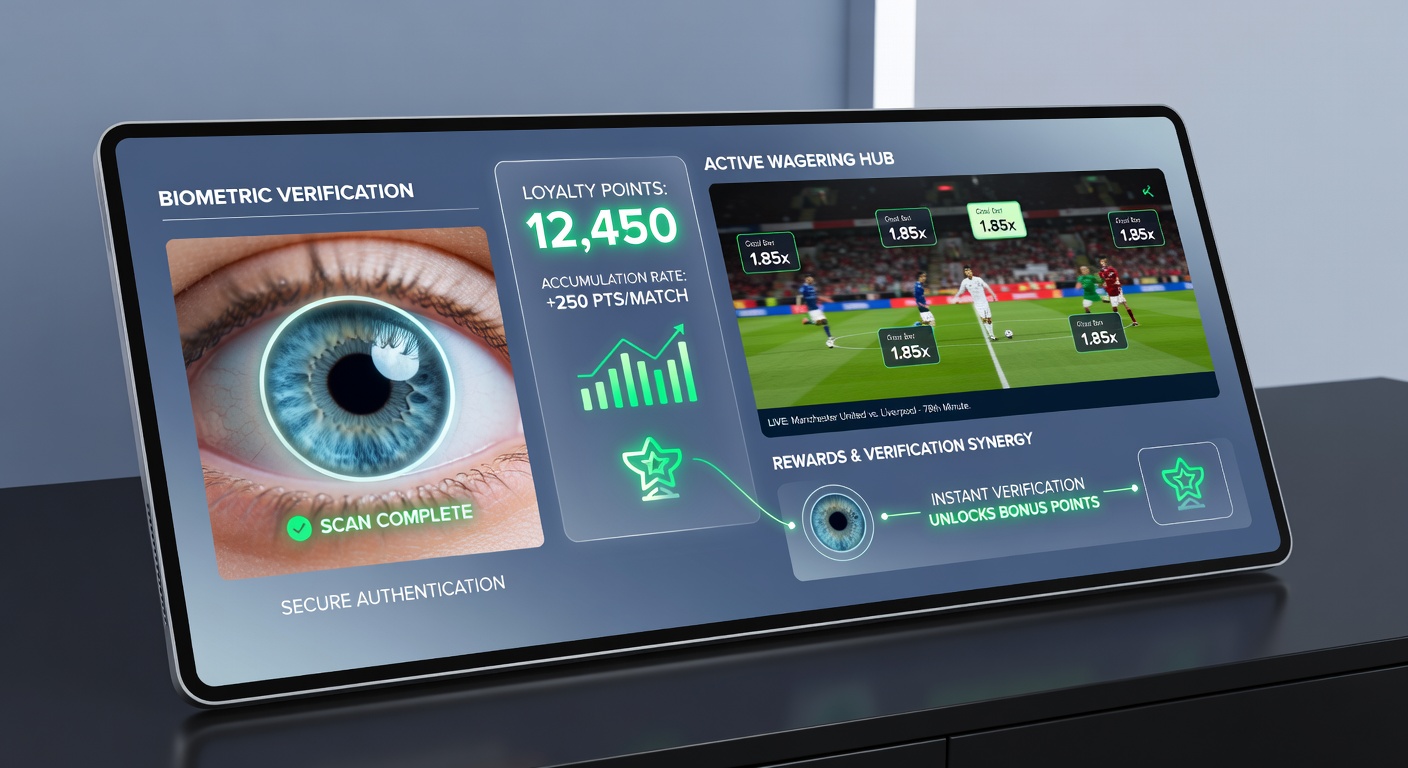
Observers note that this linkage reduces disputes over point balances because every credited amount traces back to a biometrically confirmed user action rather than device-level logins alone.
Developments Observed Through Mid-2026
By June 2026 several major operators updated their mobile applications to require biometric confirmation for tier progression reviews, ensuring that loyalty status changes reflect activity from the correct account holder only.
These updates coincided with expanded live betting options, where point multipliers applied during high-volume periods now activate only after fresh biometric validation to maintain audit trails for regulatory review.
Platforms in multiple jurisdictions reported fewer instances of reward program abuse following these changes, as identity verification steps integrated directly into the point earning cycle rather than serving as separate checkpoints.
Regulatory and Technical Considerations
State-level gaming authorities in the United States have examined how biometric data storage practices intersect with loyalty program transparency requirements, prompting operators to adopt encryption standards that protect both identity records and reward histories.
Similar reviews occurred in other regions where digital wagering expanded, with agencies focusing on data minimization principles that limit biometric retention periods while still supporting accurate point accumulation over extended user lifecycles.
Technical teams at betting firms continue refining algorithms that match biometric templates against stored records without increasing latency during peak betting windows, preserving the seamless experience users expect when points accrue rapidly.
Conclusion
The combination of biometric verification and loyalty point systems in digital sports wagering continues to evolve as platforms balance security demands with user convenience in reward tracking. Data from regulatory bodies and operational reports indicate steady implementation across markets, with verification steps now embedded within point earning and redemption flows rather than treated as isolated processes. This integration supports accurate reward distribution while meeting compliance standards that govern both identity management and promotional activities in the sector.