Seasonal Event Integrations Boosting Participation in Virtual Dealer Experiences on Handheld Devices

Seasonal event integrations have become a standard feature across virtual dealer platforms accessed on handheld devices, where operators align game environments with calendar-based themes to align with user activity patterns. Data from multiple markets shows these themed experiences often coincide with measurable upticks in session lengths and return visits, particularly during periods like summer festivals or year-end holidays. Researchers tracking mobile engagement note that the combination of live dealer streams with event-specific overlays creates a distinct draw compared to standard sessions, as participants interact through familiar touch interfaces while seasonal elements refresh the visual and reward structures.
How Seasonal Themes Integrate with Virtual Dealer Formats
Virtual dealer experiences on smartphones and tablets incorporate seasonal elements through modified table designs, custom dealer attire, and bonus mechanics tied to the event period. During July 2026, several platforms rolled out summer-themed blackjack and roulette variants featuring beach-inspired backgrounds alongside progressive jackpots that reset with each new seasonal cycle. These changes occur without disrupting core gameplay rules, allowing users to maintain continuity while the surrounding presentation shifts to reflect holidays or cultural observances. Observers tracking app analytics report that push notifications announcing these limited-time tables frequently lead to immediate logins, with participation rates rising most sharply in the first 48 hours after launch.
Handheld device constraints shape how these integrations function. Screen size limitations encourage developers to prioritize simplified overlays that highlight seasonal rewards rather than cluttering the live feed. Touch-based controls receive priority in design updates, enabling quick bets during themed rounds without requiring additional menu navigation. Studies conducted on cross-platform usage indicate that users on tablets engage longer with seasonal dealer sessions than those on smaller phones, likely because larger displays accommodate more visual detail from the event themes.
Participation Trends Across Different Markets
Regional data reveals consistent patterns where seasonal integrations correlate with higher download volumes and extended play windows on mobile. In North American jurisdictions, figures released by the Nevada Gaming Control Board documented elevated handle volumes during holiday periods that aligned with operator event calendars. Similar patterns appear in Canadian provincial reports, where seasonal live dealer promotions coincided with increased mobile transaction counts through the spring and fall transition months.
What's interesting is how these events layer additional incentives onto existing loyalty structures. Players accumulate points at accelerated rates when participating in themed tables, which then convert into entries for seasonal prize draws. One analysis of user behavior across multiple operators found that repeat participation in consecutive events increased by noticeable margins compared to non-event periods, suggesting the recurring calendar structure encourages habitual returns to the same applications.
Technical Adaptations for Handheld Access
Platform providers adjust streaming quality and interface elements to suit variable network conditions common on mobile connections. Seasonal graphics receive optimization for lower bandwidth scenarios so that festive animations load quickly even during peak usage hours. Developers have introduced features like offline reward tracking, where points earned during an event remain available for redemption once connectivity resumes. These adaptations address the reality that many handheld sessions occur outside stable Wi-Fi environments.
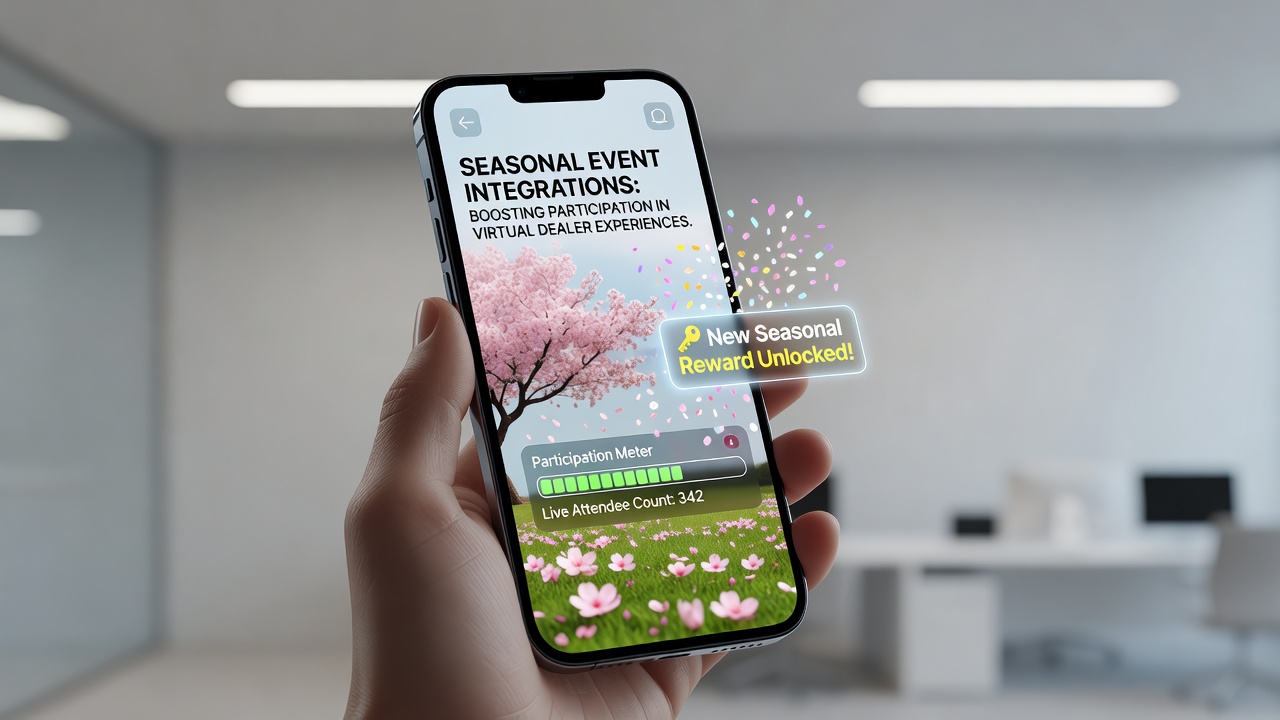
Integration timelines typically follow predictable cycles. Summer events in July 2026 emphasized outdoor-themed dealer environments with corresponding soundtracks and limited-time side bets, while winter schedules shifted focus toward indoor celebration motifs. Operators coordinate these rollouts with device operating system updates to minimize compatibility issues that could interrupt access during high-traffic windows.
Measurement Approaches Used by Industry Analysts
Analytics teams rely on metrics such as average session duration, table occupancy rates, and mobile-specific conversion from promotional notifications when evaluating seasonal event success. Reports compiled by the American Gaming Association track aggregate mobile handle growth during themed periods across participating states. Academic researchers from institutions studying digital entertainment consumption have examined how event frequency influences long-term retention, finding correlations between structured seasonal calendars and sustained engagement on portable devices.
International comparisons highlight variations in preferred themes. Australian regulatory summaries note stronger responses to sporting event tie-ins during certain months, whereas European operators report higher uptake around traditional holiday periods. These differences inform how global platforms customize seasonal offerings for specific user bases accessing content through handheld applications.
Conclusion
Seasonal event integrations continue to serve as a primary mechanism for sustaining interest in virtual dealer experiences delivered through handheld devices. The approach combines visual refreshes with reward adjustments that align with established user behaviors across different regions and device types. Available data from regulatory bodies and industry analyses consistently positions these calendar-driven features as contributors to participation volume, particularly when technical delivery accounts for mobile-specific usage patterns. As platforms refine integration methods, the focus remains on maintaining accessibility while introducing periodic variations that encourage ongoing interaction.