Regional Licensing Shapes Payment Gateways and Bonus Structures in Online Gaming Platforms
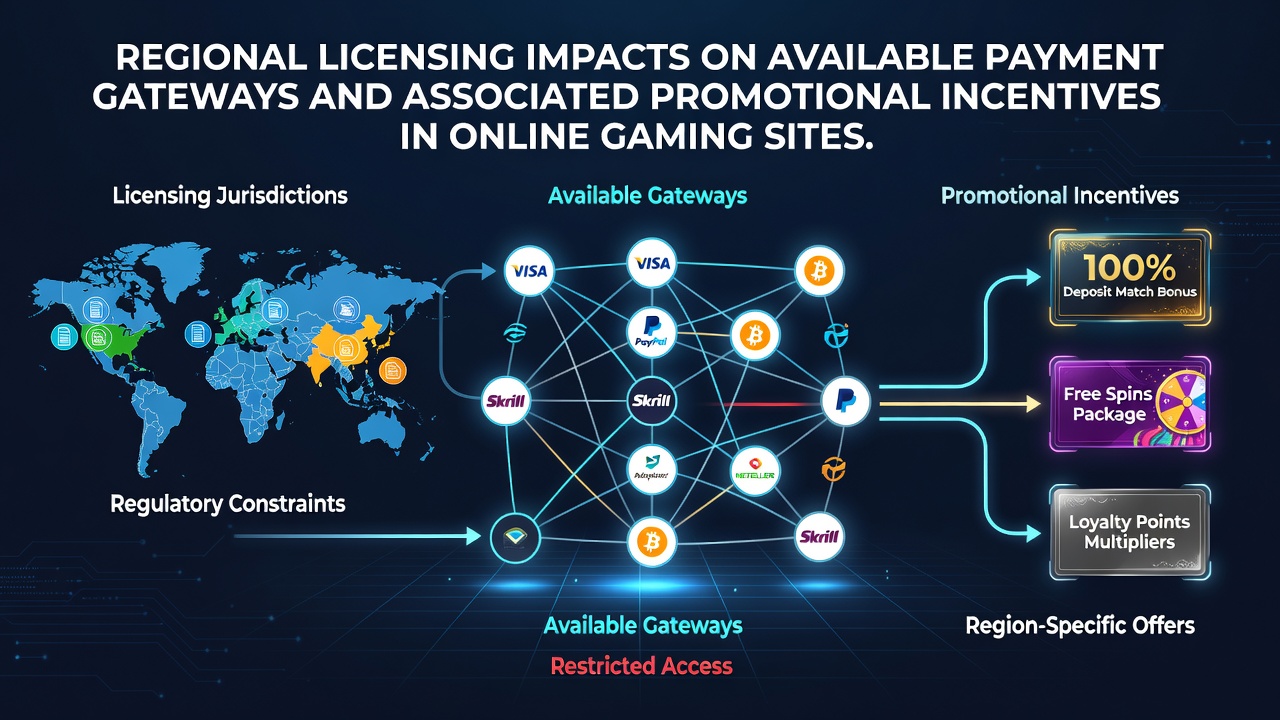
Regional licensing frameworks dictate which payment gateways operators can integrate while simultaneously defining the scope of promotional incentives available to players, and this relationship has grown more pronounced as jurisdictions refine their regulatory approaches through mid-2026. Licensing authorities establish rules around transaction methods, fee structures, and verification protocols that directly limit or expand the gateways sites may offer, which in turn affects how bonuses and rewards get structured and delivered.
Licensing Variations Drive Gateway Availability
Jurisdictions apply distinct criteria when approving payment processors, with some regions requiring local banking partnerships or specific encryption standards that exclude global providers, while others prioritize speed and allow broader options such as e-wallets or cryptocurrency integrations. Data from regulatory filings shows that sites operating under multiple licenses must maintain separate gateway configurations to remain compliant, creating layered systems where players encounter different deposit and withdrawal methods depending on their location. Observers note that these variations stem from consumer protection priorities, tax collection mechanisms, and anti-money laundering requirements that each authority enforces independently.
Take one operator licensed in both a North American state and an Asian market, for instance, where the first jurisdiction mandates integration with state-approved processors tied to local banks, yet the second permits international e-wallets and prepaid cards. Researchers tracking these patterns have documented how such differences force platforms to segment their payment infrastructure, which then influences the promotional incentives tied to those methods because bonuses often require specific deposit types to qualify. According to reports from the New Jersey Division of Gaming Enforcement, licensed sites must route all transactions through approved channels, a rule that narrows available gateways and shapes the reward tiers operators can advertise.
Payment Confirmation Timelines and Incentive Eligibility
Payment confirmation timelines vary sharply by licensed region, and operators adjust promotional offers accordingly to align with verification windows imposed by local rules. Faster gateways in permissive jurisdictions enable instant bonus crediting, whereas stricter markets impose delays that push sites to structure incentives around completed settlements rather than initial deposits. Those who've examined transaction data across platforms find that players in regions with extended confirmation periods often receive loyalty points or free rounds only after funds clear, a practice designed to meet audit requirements without violating licensing terms.
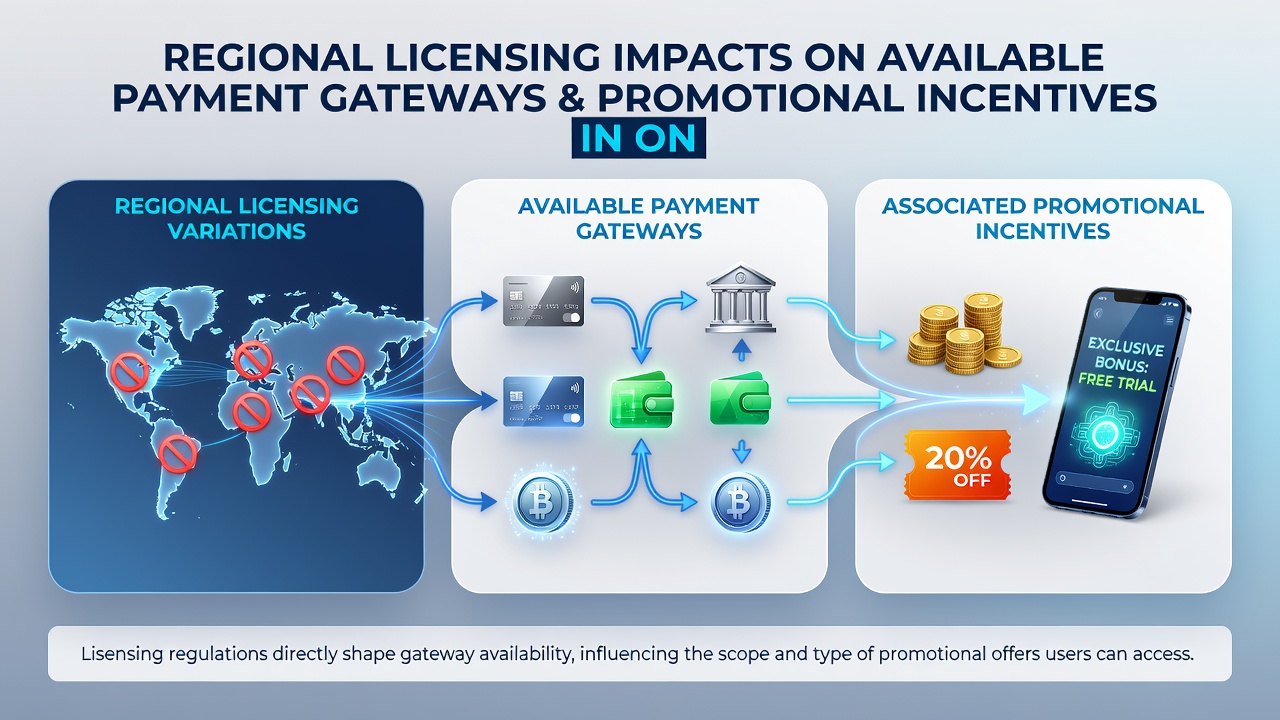
What's interesting here is how June 2026 regulatory updates in several Canadian provinces further tightened gateway approvals, prompting operators to recalibrate bonus eligibility windows to match new settlement standards. Industry reports indicate these changes reduced the number of instant-deposit options in affected markets, leading sites to emphasize longer-term reward programs instead of one-time deposit matches. Experts have observed that this shift maintains compliance while preserving player engagement through sequenced incentives that unlock progressively as transaction histories build.
Cross-Border Effects on Bonus Design
Operators holding licenses across continents face the added complexity of harmonizing promotional structures with each region's gateway restrictions, which often results in geo-specific bonus campaigns rather than uniform global offers. A platform licensed in Australia and parts of Europe, for example, might promote cryptocurrency deposits with matching bonuses in one area while restricting those same incentives to bank transfers in another due to differing approvals. Figures from the Australian Communications and Media Authority reveal how such segmentation helps operators avoid penalties while still delivering targeted rewards that comply with local rules.
Studies from research institutions like the University of Nevada, Reno have highlighted cases where payment gateway limitations directly reduced the frequency of certain promotional types, particularly those involving rapid reload bonuses or cashback on high-volume transactions. Sites respond by developing alternative incentives such as tiered loyalty multipliers that do not depend on specific gateways, thereby maintaining appeal across licensed territories. This adaptive approach appears consistently in markets where regulators prioritize transaction transparency over speed.
Conclusion
Regional licensing continues to exert significant control over both payment gateway selections and the promotional incentives that accompany them, creating a landscape where operators must navigate distinct rules to deliver compliant and competitive offerings. Data from multiple authorities demonstrates that these constraints produce varied player experiences based on location, with verification timelines, approved methods, and bonus structures all shaped by the licensing environment. As jurisdictions update their frameworks, platforms adjust accordingly to sustain operations while meeting regulatory expectations across borders.