Player Progression Pathways Linking Initial Deposit Choices to Sustained Live Session Access Within Adaptive Mobile Reward Frameworks
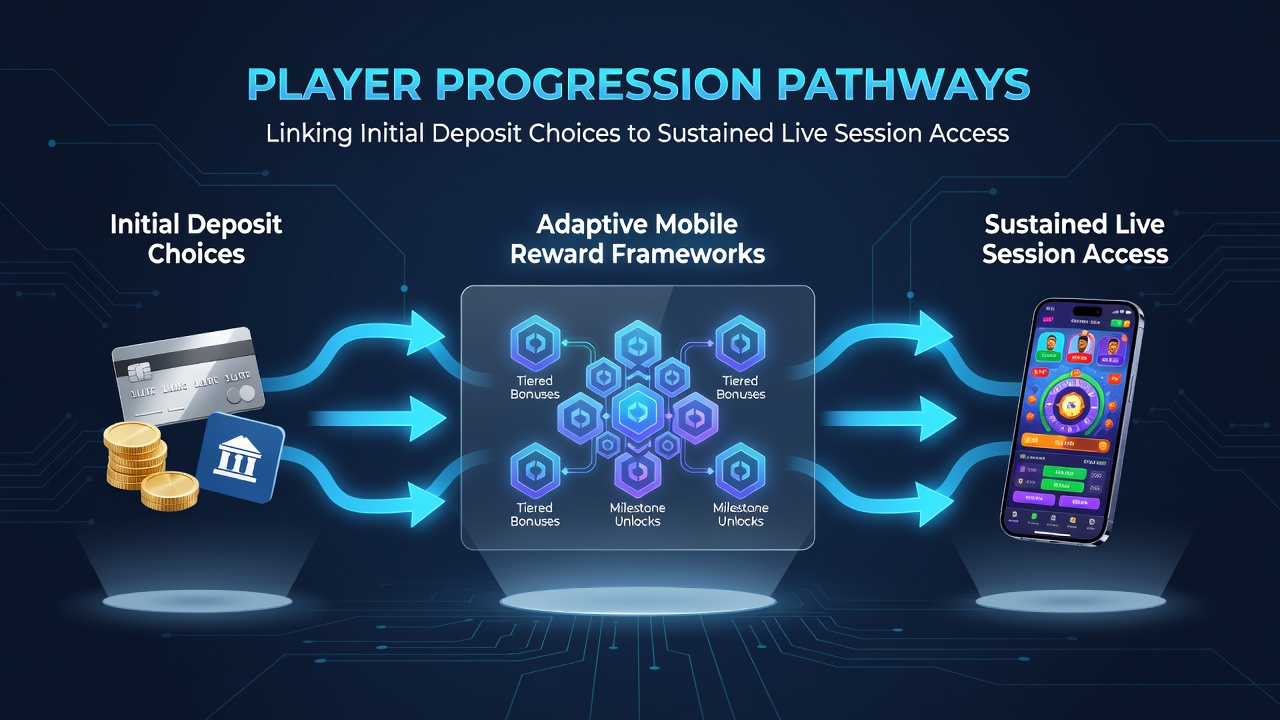
Player progression pathways in mobile reward frameworks connect an initial deposit selection directly to extended access in live dealer environments, and these systems track user behavior across multiple sessions to adjust incentive structures accordingly. Mobile platforms deploy algorithms that evaluate deposit method, amount, and timing before assigning entry points into tiered access models, while data collected during early interactions shapes subsequent rewards that unlock sustained participation in live sessions.
Deposit Selection as the Entry Point
Initial deposit choices determine the starting parameters for reward sequencing, and platforms categorize transactions by speed, cost, and verification level to establish baseline progression rates. E-wallet transfers often receive faster processing flags than card payments in many systems, which allows quicker activation of introductory bonuses that feed into live session credits. Research indicates that deposit size correlates with initial tier placement, and larger commitments frequently map to accelerated pathways granting priority access to live tables during peak hours.
Geographic variations appear in how frameworks handle these entry points, whereas regions with stricter verification protocols require additional confirmation steps before progression begins. In July 2026 several platforms updated their mobile interfaces to display real-time pathway previews based on selected deposit options, which helped users anticipate the number of live sessions available after the first transaction cleared.
Adaptive Mechanisms Driving Continuity
Adaptive mobile reward frameworks monitor session duration, game type preferences, and deposit frequency to recalibrate incentives mid-progression, and this adjustment process maintains engagement by aligning rewards with observed patterns. Once an initial deposit activates the pathway, the system logs live session metrics such as table selection and bet frequency, then reallocates points toward extended access passes that bypass standard waiting queues.
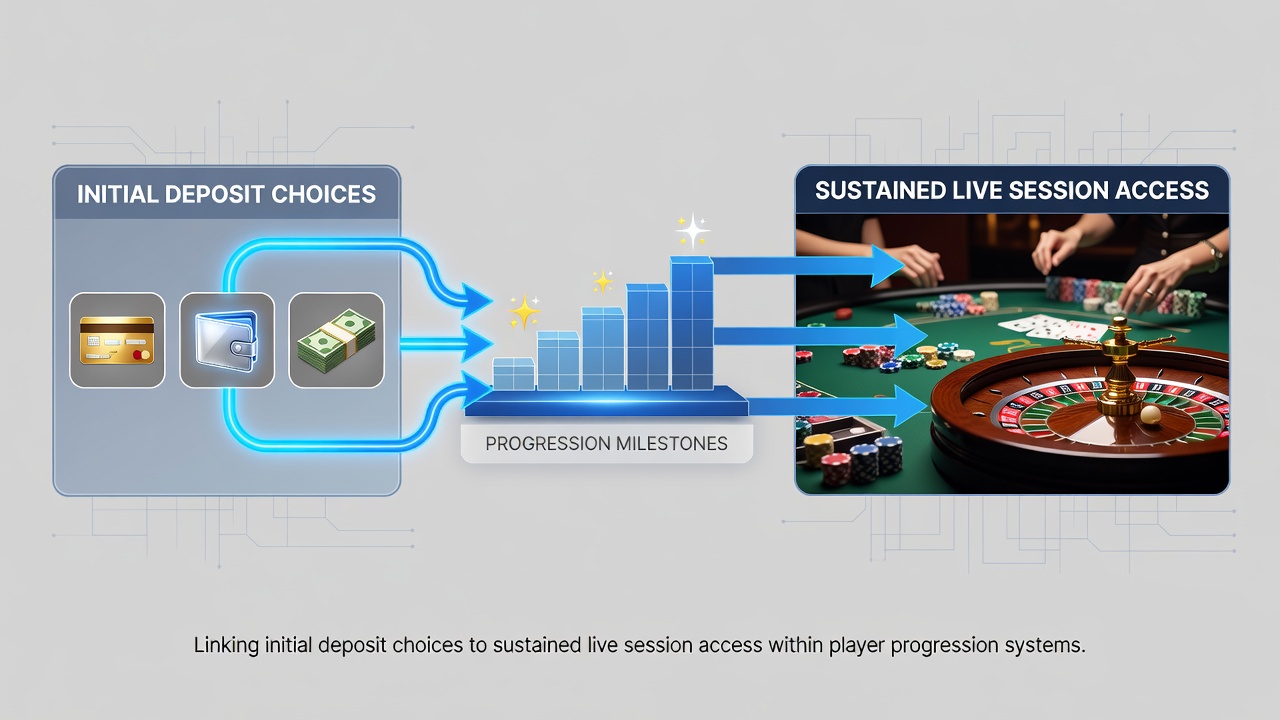
Observers note that frameworks often apply conditional multipliers when users complete a set number of live rounds within a defined window, and these multipliers extend session credits without requiring additional deposits. Data from industry reports shows that pathways incorporating live dealer access maintain higher retention metrics compared to slots-only sequences, since the interactive nature of live environments encourages repeated logins.
Linkages Between Deposits and Live Access Duration
Sustained live session access emerges when deposit-linked rewards accumulate enough value to cover extended play periods, and the frameworks enforce rules that convert accumulated points into time-based passes for live tables. Players who select recurring deposit schedules receive automated extensions that prevent session interruptions, while sporadic deposit patterns trigger shorter access windows that require reactivation through new transactions.
According to figures published by the American Gaming Association, mobile live dealer participation grew substantially in the first half of 2026, with progression models cited as a contributing factor in maintaining consistent user activity across devices. Frameworks also integrate location-based triggers that adjust live session availability when users move between regulatory jurisdictions, ensuring compliance while preserving pathway continuity.
Regional Regulatory Influences on Pathway Design
Regulatory bodies shape how frameworks structure these linkages, and Canadian provincial authorities have documented specific requirements for transparent display of progression criteria in mobile applications. Australian research from the Institute of Family Studies highlights correlations between deposit method transparency and longer-term participation rates in live environments, prompting frameworks to standardize information presentation at the deposit stage.
Platforms operating across multiple markets adjust pathway rules to meet local standards, whereas European operators often emphasize data privacy controls that affect how behavioral tracking informs reward adaptation. These adjustments maintain the core connection between initial deposits and live access yet vary the speed and visibility of progression steps by region.
Technical Implementation Across Platforms
Mobile reward frameworks utilize server-side modeling to simulate progression outcomes before users commit to deposits, and these simulations display projected live session access based on historical cohort data. Integration with live dealer providers occurs through API connections that verify active credits in real time, preventing access denials during ongoing sessions when reward thresholds are met mid-play.
Updates rolled out in July 2026 introduced enhanced visualization tools that map entire pathways from deposit to multi-session live access, allowing users to review conditional branches triggered by different transaction types. Such features rely on aggregated anonymized data rather than individual profiles to comply with privacy regulations across operating regions.
Conclusion
Player progression pathways in adaptive mobile reward frameworks establish measurable connections between deposit decisions and the duration of live session access, with systems continuously refining these linkages through behavioral inputs and regulatory constraints. Data from multiple jurisdictions demonstrates that structured reward sequencing supports sustained participation when initial choices align with platform parameters, and ongoing refinements in 2026 reflect efforts to balance engagement mechanics with compliance requirements across global markets.