Mapping Regulatory Shifts to Customized Tournament Formats in International App-Based Gaming Ecosystems
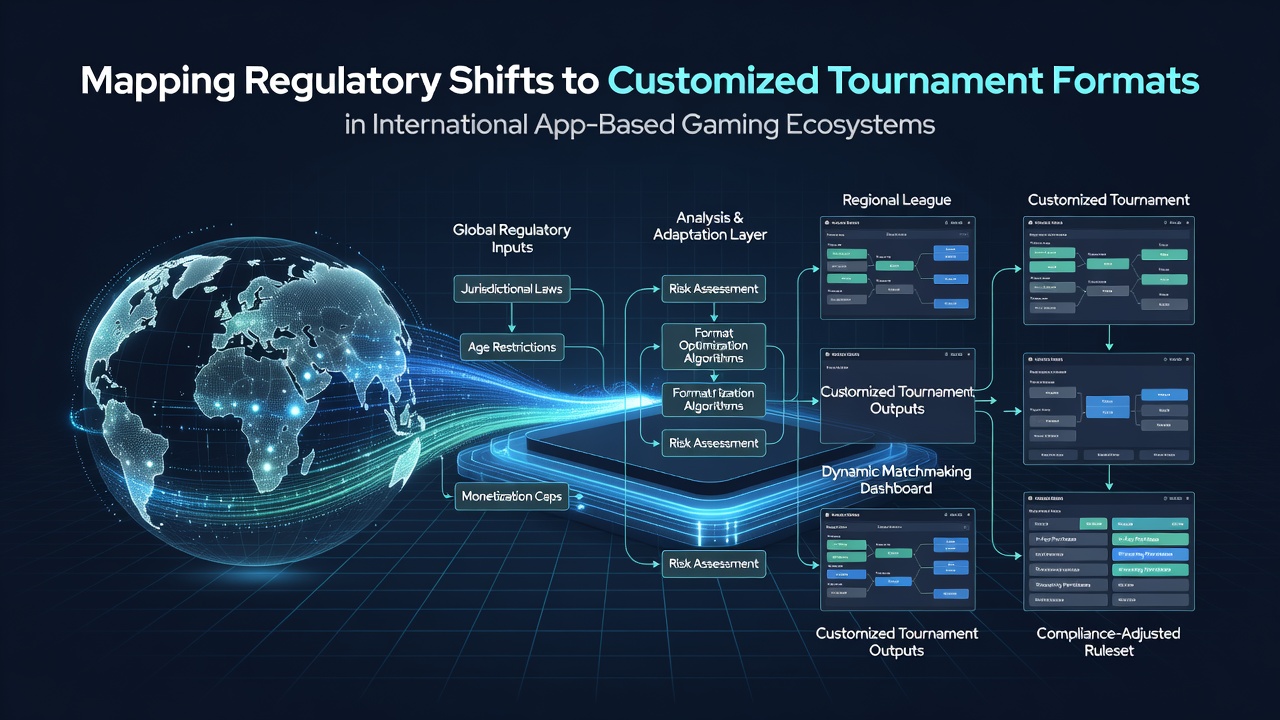 Regulatory frameworks across multiple jurisdictions continue to influence how developers structure tournaments within app-based gaming platforms, and these adjustments reflect local compliance requirements that differ by region. In July 2026 several regulatory bodies released updated guidance on digital competition formats, prompting operators to refine prize pools, eligibility rules, and progression mechanics accordingly.
Regional Regulatory Variations Drive Format Adjustments
European markets have seen directives that emphasize consumer protection measures, leading platforms to segment tournaments by age verification tiers and spending limits, whereas North American jurisdictions often focus on state-level licensing that requires separate event structures for each licensed territory. Data from the European Gaming and Betting Association shows that operators adjusted over 60 percent of their mobile tournament offerings between 2024 and 2026 to align with these evolving rules.
Asia-Pacific regulators meanwhile prioritize transaction transparency and anti-money laundering protocols, which translates into customized tournament brackets that incorporate real-time verification steps before each round begins. Australian authorities, for instance, require detailed reporting on player participation patterns, so many apps now generate automated compliance logs that feed directly into tournament management systems.
Customization Mechanisms in Practice
Developers implement these regulatory mappings through modular backend architectures that allow rapid reconfiguration of tournament parameters. Entry fees, payout schedules, and match durations get recalibrated based on jurisdiction-specific thresholds, and the process often involves collaboration between legal teams and engineering groups to ensure seamless updates without disrupting live events.
One documented case involved a major platform that redesigned its global leaderboard system after Canadian provincial regulators introduced new data localization mandates. The revised format now partitions players into regional pools that operate independently while still contributing to overarching prize structures, a change rolled out in early 2026 and refined further by July.
Technology Supporting Compliance Mapping
Advanced analytics platforms track regulatory changes in real time, flagging potential conflicts before they affect tournament operations. Machine learning models predict how proposed rule updates might alter participation rates, allowing operators to simulate format variations and select the version that maintains both compliance and engagement levels.
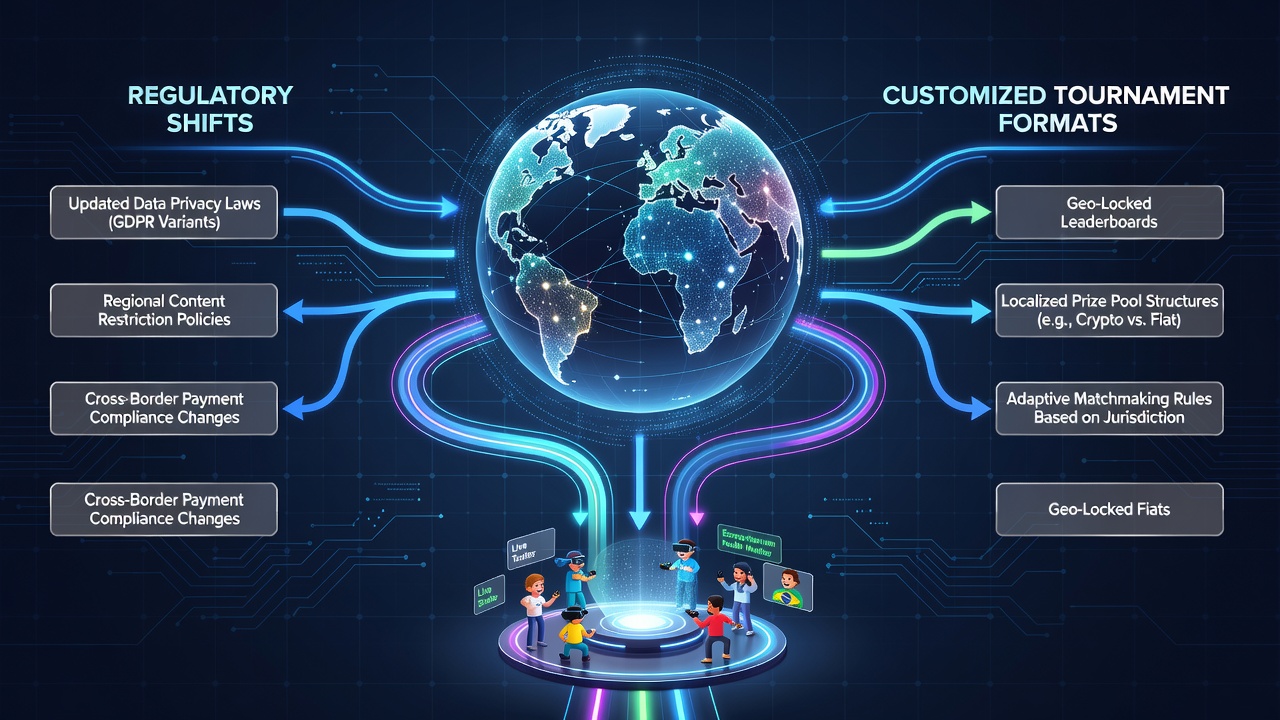
These tools also generate audit trails that satisfy reporting obligations across borders. Research published by the University of Nevada's International Gaming Institute indicates that platforms using such integrated systems reduced compliance-related downtime by 45 percent compared with those relying on manual processes.
Player Experience Implications
Participants encounter these regulatory adaptations through altered matchmaking queues and region-specific reward options. Tournaments may feature different minimum age gates, currency conversion rules, or even game variant restrictions depending on the user's location, yet the underlying app interface remains consistent to preserve usability.
Observers note that these layered customizations have encouraged the growth of hybrid events that combine local compliance layers with international qualification paths. Such formats allow skilled players to progress through regulated regional stages toward globally accessible finals without violating any single jurisdiction's requirements.
Conclusion
The ongoing alignment between regulatory evolution and tournament design continues to shape international app-based gaming ecosystems in measurable ways. As authorities in diverse regions release new guidance, operators respond with increasingly sophisticated customization layers that maintain operational continuity while meeting legal standards. This dynamic process shows no signs of slowing, with further refinements expected as additional jurisdictions update their frameworks in the latter half of 2026.