Mapping Intersections Between Regulatory Policy Tweaks and Tournament Prize Pool Distributions in Multilingual App Wagering Systems
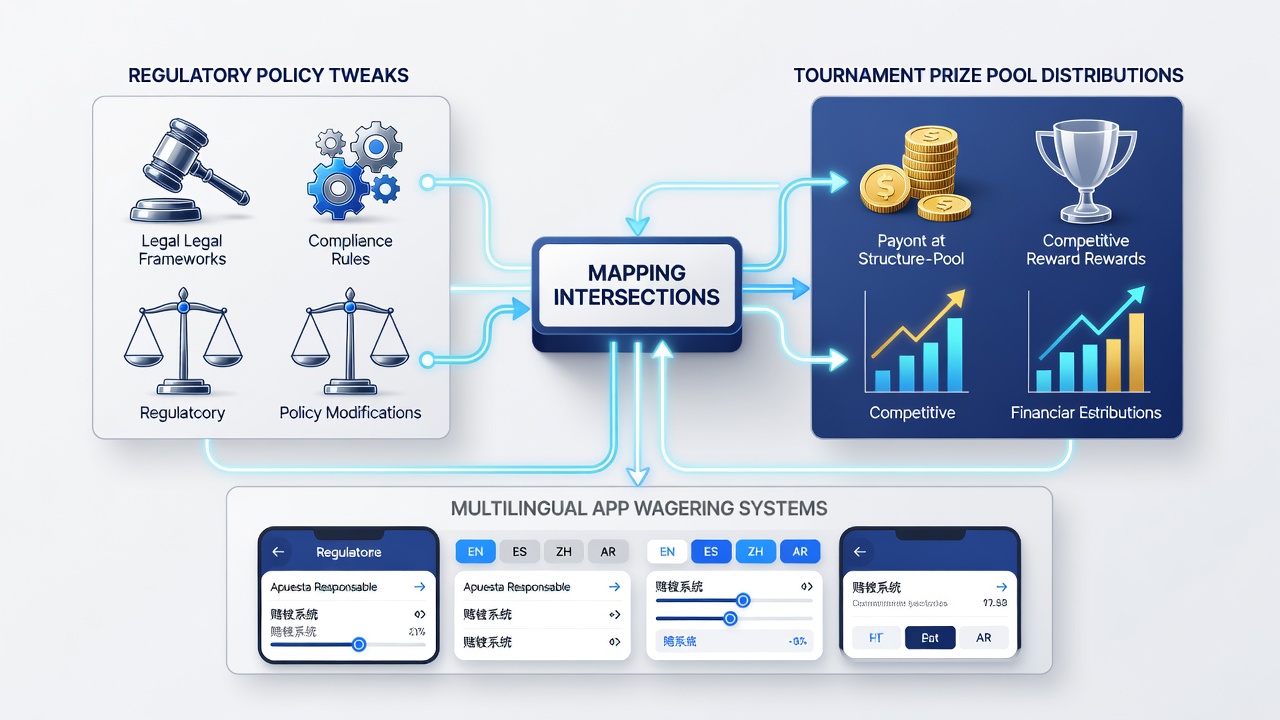
Regulatory adjustments across multiple jurisdictions continue to influence how tournament prize pools get structured and allocated within multilingual wagering applications, and these shifts often require operators to recalibrate distribution models in real time. Policy changes that address fairness standards, tax obligations, and cross-border compliance create direct effects on the percentages directed toward player rewards versus operational reserves, while language-specific interfaces add layers of localization requirements that further shape payout formulas. Observers note that these intersections have grown more pronounced as apps expand into new markets where local rules differ sharply from one another.
Policy Adjustments and Their Reach into Prize Structures
Updates to licensing conditions in regions such as the European Union and parts of North America have introduced stricter requirements around prize transparency, which means tournament organizers must now publish detailed breakdowns of how entry fees convert into final payouts. When these rules take effect, developers adjust algorithms so that pools reflect both the base contributions and any mandated reserve percentages, and this process becomes more intricate when the same app serves users in languages ranging from Spanish to Mandarin. Data from the Alcohol and Gaming Commission of Ontario shows that compliance-driven modifications in 2025 led several platforms to revise their tiered reward systems, and similar patterns appeared again in July 2026 when additional reporting mandates were phased in across select Canadian provinces.
Language Localization Meets Distribution Mechanics
Multilingual interfaces demand that prize announcements, terms, and tax disclosures appear accurately in each supported language, which forces operators to maintain synchronized databases that update simultaneously across regions. A tweak in one jurisdiction's tax treatment of winnings can trigger recalculations that ripple through every language version of the app, adn this synchronization challenge grows when tournaments draw participants from multiple countries simultaneously. Research conducted by the University of Nevada's International Gaming Institute indicates that localization delays have occasionally resulted in temporary freezes on prize releases until all translations receive regulatory sign-off, and these pauses affect pool distribution timelines in measurable ways.
Cross-Border Tournament Dynamics
Tournaments hosted on multilingual apps frequently attract entrants subject to different regulatory regimes, which complicates how operators divide the overall pool among winners. When one participating country imposes new caps on maximum payouts, platforms respond by segmenting prize tiers according to player location rather than uniform global rules, and this segmentation requires real-time geofencing tied to language preferences. Figures released by the Malta Gaming Authority in early 2026 highlighted that such segmentation increased administrative costs by approximately 12 percent for operators running international events, and those costs often get absorbed through adjustments to the non-prize portions of each pool.
Tax and Compliance Influences on Allocation Formulas
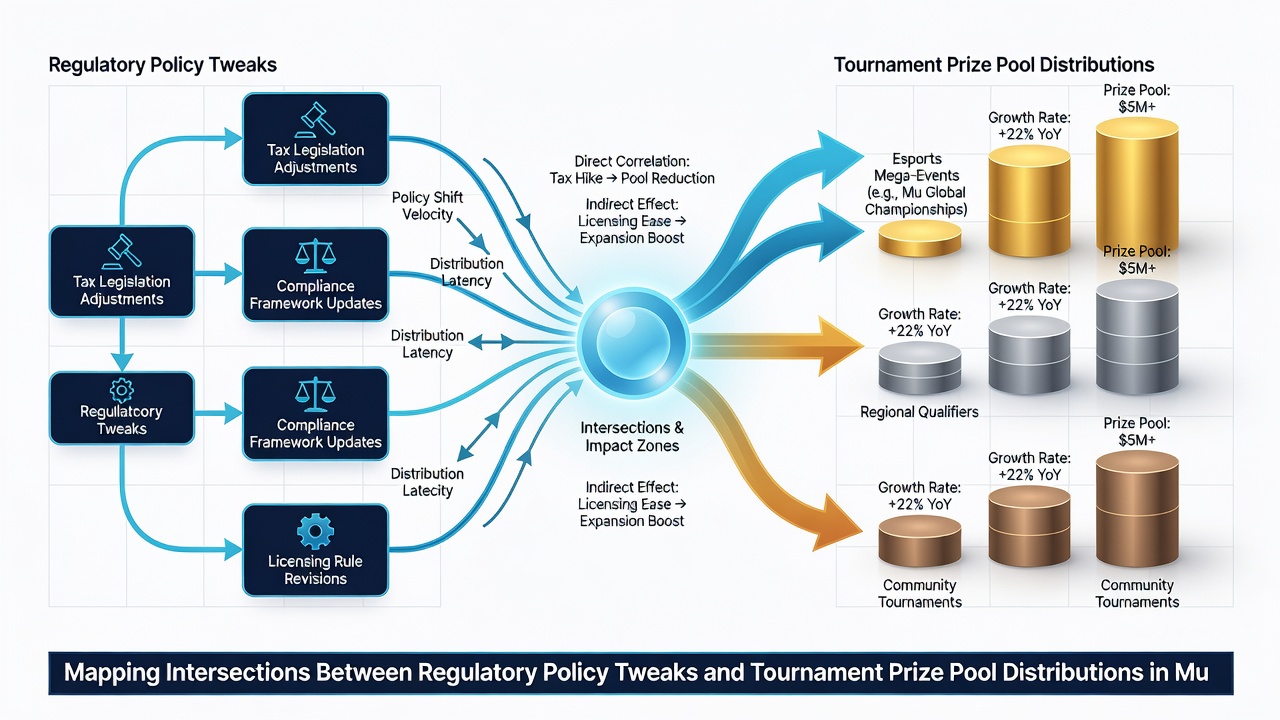
Changes in how winnings are taxed at source alter the net amounts that reach players, and operators must therefore decide whether to gross up prize pools or maintain fixed gross distributions. In jurisdictions that updated their digital gaming tax codes during July 2026, several multilingual platforms introduced conditional bonus multipliers that activate only after tax withholdings are applied, and these mechanisms help preserve advertised top prizes while satisfying local authorities. Studies from the Canadian Centre for Gaming Research have documented that such conditional structures appear more frequently in apps supporting five or more languages because each market carries its own withholding schedule that must be coded separately into the distribution engine.
Operational Responses Across Platforms
Development teams working on these systems now embed modular compliance modules that can be toggled when regulations shift, allowing prize pool calculations to adapt without full code overhauls. This modular approach reduces downtime during policy transitions, yet it also requires ongoing testing to ensure that localized currency conversions and language displays remain accurate once new rules apply. Operators have reported that maintaining these modules across dozens of language variants demands dedicated regulatory affairs staff who track updates from multiple agencies simultaneously.
Conclusion
The ongoing mapping of regulatory policy changes against tournament prize pool mechanics reveals a system where small adjustments in one area produce cascading effects across technical, linguistic, and financial layers of multilingual wagering apps. Continued monitoring of developments in regions with active digital gaming oversight shows that operators who build flexible distribution frameworks experience fewer disruptions when new requirements emerge. As markets evolve, the interplay between compliance obligations and reward allocation will likely remain a central focus for those managing large-scale tournament events.