How Cultural Factors Shape Preferred Transaction Options in International App-Based Wagering
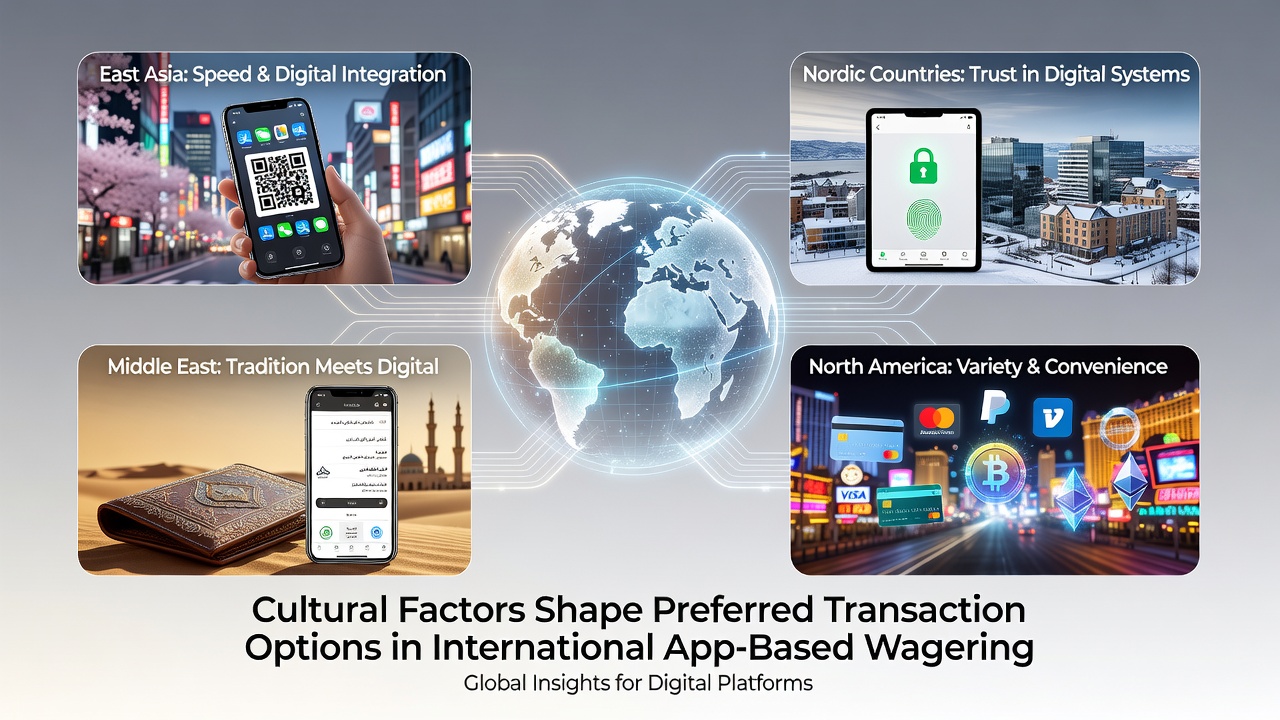
App-based wagering platforms operate across borders where local customs and historical attitudes toward money management guide which transaction methods gain traction among users in different territories, and these patterns emerge from longstanding relationships between communities and their financial institutions rather than from technology alone. Observers note that trust in digital systems often traces back to how governments and banks have interacted with populations over decades, which creates distinct preferences that developers must accommodate when launching services internationally.
Trust and Institutional History Drive Method Selection
Users in regions with robust traditional banking sectors tend to favor established card networks and direct bank transfers because these options carry the weight of regulatory oversight and consumer protection frameworks that have built familiarity over time. Research from academic institutions such as the University of Macau's Centre for Gaming and Tourism Studies indicates that populations accustomed to state-supervised financial channels show higher adoption rates for methods requiring account linkage, since the verification process aligns with existing expectations around security and accountability. In contrast, communities where informal economies have historically played larger roles often gravitate toward digital wallets that operate independently of conventional banks, allowing quicker entry without extensive documentation trails that might feel intrusive.
Data collected across multiple markets reveals that privacy expectations vary sharply based on cultural attitudes toward government surveillance and data sharing, which directly influences whether users select anonymous or traceable payment rails. Those who've examined transaction logs in Southeast Asian markets find that local e-wallet integrations see stronger uptake where regulations emphasize speed and minimal disclosure, while European users frequently complete transactions through systems that log activity for compliance purposes because such transparency matches broader societal norms around financial reporting.
Technological Adoption Patterns Reflect Broader Social Norms
Mobile money systems thrive in areas where cellular networks expanded ahead of traditional banking infrastructure, turning phones into primary financial tools long before wagering apps appeared on the scene. Studies conducted by research groups in sub-Saharan Africa document how services originally designed for remittances and utility payments transitioned naturally into gaming deposits once platforms adapted interfaces to match daily usage habits. This evolution demonstrates how cultural comfort with certain devices shapes the entire transaction journey from funding to withdrawal, rather than the other way around.
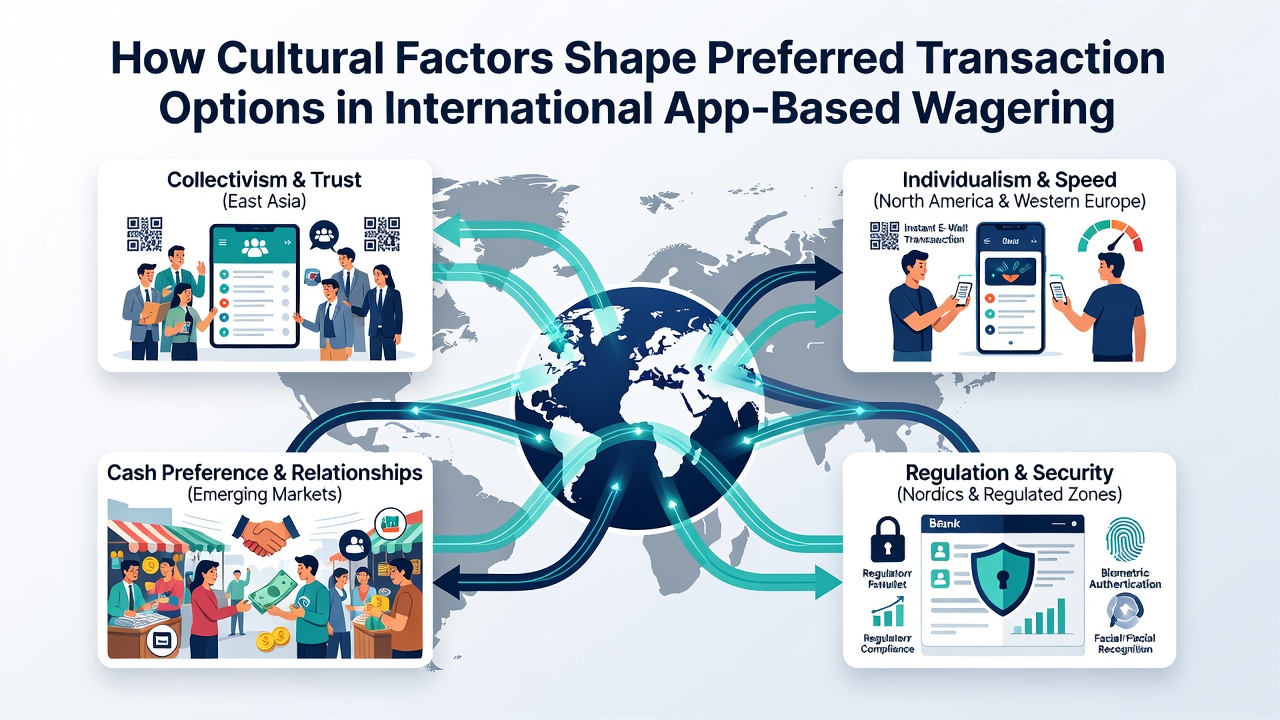
What's interesting is how religious and ethical frameworks around gambling itself intersect with payment choices in several territories. Markets influenced by Islamic financial principles often see crypto-based options gaining ground because they allow separation from interest-bearing systems, whereas jurisdictions with different historical views on speculation may prioritize methods tied to regulated banking to maintain social acceptability. Industry reports compiled by groups like the Asia Gaming and Betting Association track these divergences through user behavior metrics that reveal consistent regional clusters rather than random variation.
Regulatory Environments Interact with Cultural Expectations
Government policies rarely operate in isolation from the populations they serve, and this interplay produces payment ecosystems that feel intuitive locally but require careful localization elsewhere. Canadian provincial regulators, for instance, have documented how residents in different provinces exhibit preferences aligned with regional banking habits and consumer protection priorities, leading platforms to offer tailored options that respect both legal mandates and user comfort levels. Similar patterns appear in Latin American markets where mobile payment providers gained early footholds through partnerships with telecommunications companies, creating pathways that align with everyday bill-paying routines.
Those analyzing global wagering data note that conversion rates improve measurably when platforms align deposit and withdrawal flows with culturally familiar symbols and verification steps, rather than imposing uniform processes across all territories. One study revealed that localized interfaces reduced abandonment during funding stages by matching the visual language and authentication flows users already encountered in non-gaming applications common to their region.
Conclusion
Cultural factors continue to determine which transaction methods dominate in international app-based wagering because they reflect deeper patterns of trust, technological exposure, and regulatory alignment that predate the rise of mobile platforms. Developers who map these influences against specific markets achieve higher engagement by presenting options that feel native to each audience rather than universally applied. As global wagering expands, the connection between societal norms and payment infrastructure remains central to how services scale successfully across diverse environments.