Exploring Demographic Influences on Preferred Game Formats Within Multi-State Wagering Applications
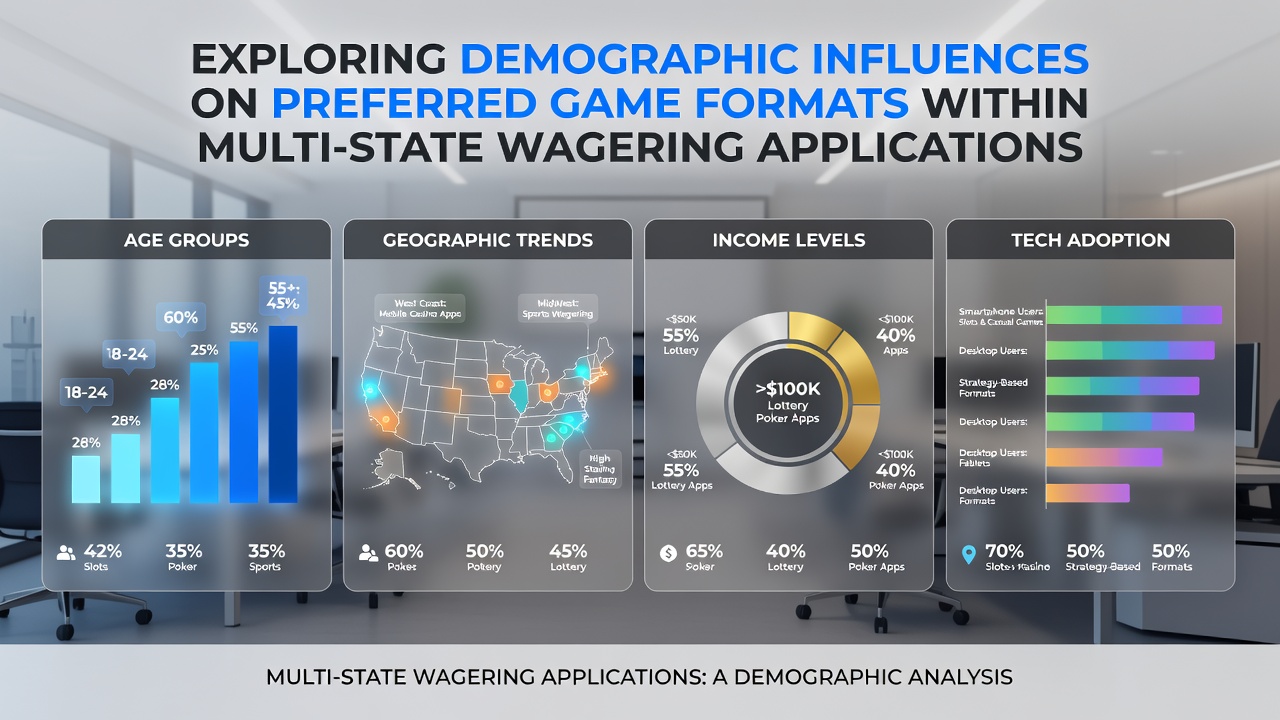
Multi-state wagering applications operate across jurisdictions such as New Jersey, Pennsylvania, Michigan, adn West Virginia, where user demographics shape the selection of game formats including sports betting interfaces, live dealer tables, and random number generator slots. Data collected through platform analytics in early 2026 reveals distinct patterns tied to age, gender, income levels, and geographic location that influence how participants engage with these offerings.
Researchers tracking activity on major applications note that users aged 18 to 34 show higher engagement with sports betting modules integrated into multi-state platforms. These younger cohorts often navigate real-time odds updates and parlay builders while accessing events across state lines. In contrast, participants over age 55 demonstrate stronger preferences for video slot libraries and automated table games that require less real-time decision making.
Age-Based Patterns in Format Selection
Platform operators report that individuals in the 35 to 54 age range split their activity between live dealer sessions and traditional sports wagering depending on time of day and event schedules. July 2026 figures from several operators indicate this middle group accounts for the largest share of session time spent on hybrid formats that combine elements of both categories. Younger users complete more transactions per session on average while older users extend play duration across fewer but longer sessions.
Studies compiled by academic institutions such as the University of Nevada Las Vegas Center for Gaming Research document how mobile interface design interacts with generational comfort levels. Those under 30 adapt quickly to gesture-based controls in live dealer environments, whereas older cohorts favor simplified menu structures in slot sections.
Gender Differences Across Game Categories
Gender distributions appear clearly in transaction logs from multi-state applications. Male users represent the majority of sports betting volume across state networks, with participation rates exceeding 70 percent in several markets according to aggregated operator data. Female users show elevated activity in slot and bingo-style formats that feature progressive jackpots and themed progressions.
Observers note that women in the 25 to 44 demographic increasingly explore live dealer blackjack and roulette options when applications offer gender-neutral onboarding flows and tutorial sequences. These patterns hold steady through the second quarter of 2026 across regulated markets.
Income Levels and Format Preferences
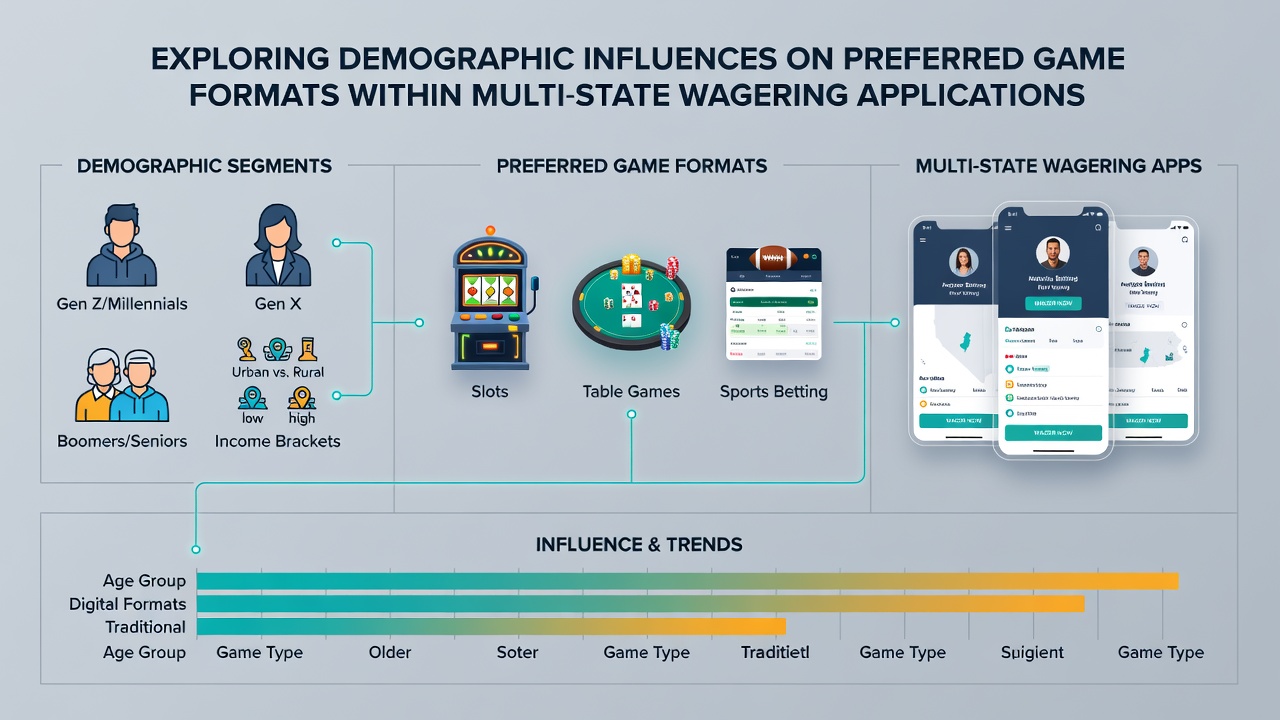
Income brackets correlate with choices between free-to-play entry points and premium live experiences. Higher-income users allocate more resources toward live dealer tables that carry elevated minimum bets and offer exclusive tournament structures available across multiple states. Lower to middle-income participants gravitate toward slot formats with adjustable bet sizing and frequent bonus round triggers.
Reports issued by the Canadian Gaming Association highlight similar income-driven divides in cross-province applications, where subscription-based VIP features attract users above certain earnings thresholds. These findings align with patterns observed in U.S. multi-state environments during the same period.
Geographic and Cultural Influences
State-specific regulations affect available formats and therefore shape demographic uptake. Applications licensed in New Jersey and Pennsylvania provide broader live dealer selections compared with some newer markets, leading residents of those states to develop stronger preferences for interactive table games. Data from the New Jersey Division of Gaming Enforcement shows steady growth in live dealer participation among urban users between 25 and 40 years old.
Regional cultural factors also surface in transaction records. Users in Midwest states demonstrate higher slot engagement rates while coastal populations favor sports betting tied to professional leagues. These geographic distinctions persist even when the same application serves multiple jurisdictions simultaneously.
Behavioral Trends in July 2026
Activity spikes during major sporting events in July 2026 further accentuate demographic divides. Multi-state platforms recorded elevated sports betting volumes from younger male users during baseball season peaks, while slot activity remained consistent across all age groups. Operators adjust promotional targeting based on these recurring patterns to match format preferences within each demographic segment.
Cross-device usage data reveals that tablet users skew older and prefer slot sessions, whereas smartphone-dominant users include a broader mix of sports bettors and live dealer participants. Such device preferences reinforce the demographic segmentation already visible in account profiles.
Conclusion
Demographic variables continue to guide format selection inside multi-state wagering applications as operators refine their offerings based on observed user behavior. Age, gender, income, and location each contribute measurable influences that appear consistently across market reports and regulatory filings through mid-2026. These patterns inform how platforms structure navigation, promotions, and game libraries to accommodate diverse participant groups operating under varying state rules.