Analyzing Behavioral Triggers That Determine Complimentary Round Allocations in Cross-Device Wagering Ecosystems

Platforms in the wagering sector track user activity across smartphones, tablets, and desktop computers to identify patterns that trigger complimentary round allocations, and these systems combine login data, session lengths, and betting histories to build profiles that determine when free spins or bonus rounds become available. Data shows that operators collect information from multiple touchpoints simultaneously because players often switch devices during a single gaming session, which creates opportunities for algorithms to detect shifts in engagement levels and respond with targeted incentives.
Cross-Device Tracking Mechanisms
Operators use device fingerprinting combined with account-based identifiers to follow individual activity without interruption, and this approach allows systems to recognize when a user moves from a mobile app to a browser-based platform while maintaining the same behavioral thread. Research indicates that consistent cross-device monitoring helps platforms calculate metrics such as total time spent, average stake per round, and frequency of deposits, all of which feed into decision trees that decide round allocations. Observers note that these models update in real time, adjusting thresholds based on recent performance rather than relying solely on historical averages.
Primary Behavioral Triggers Identified
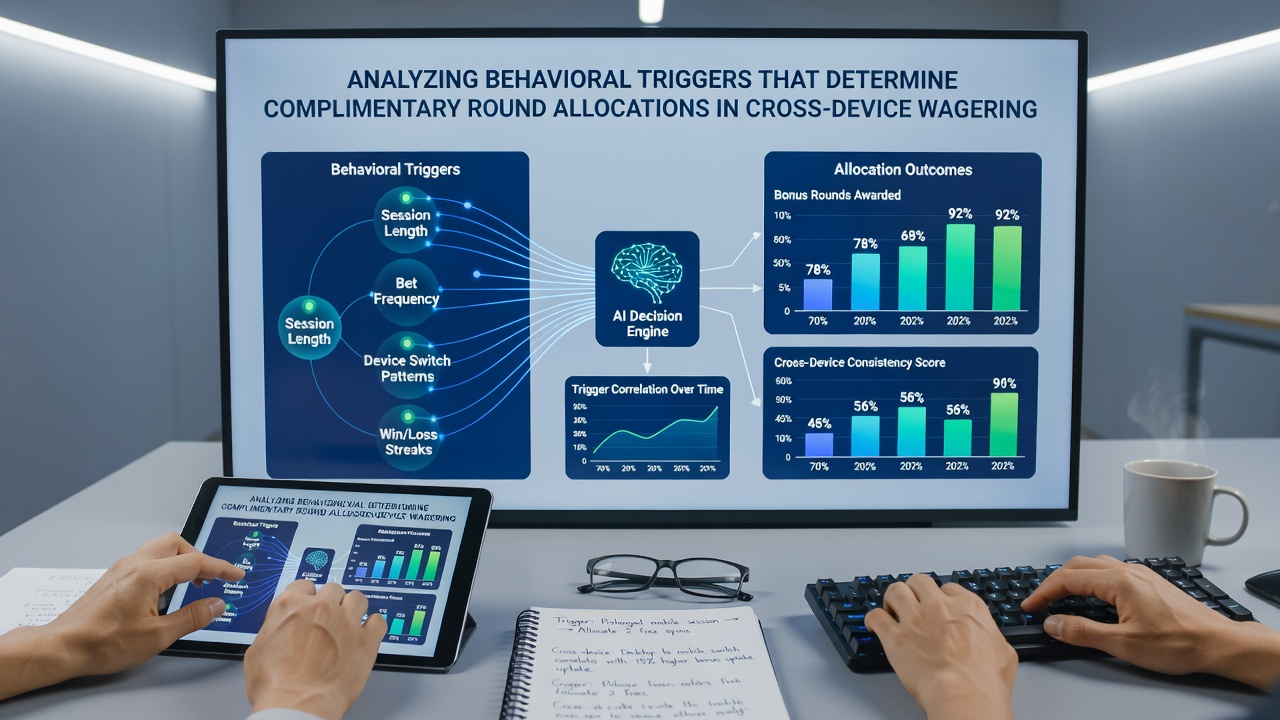
Studies reveal several core triggers that influence complimentary round distribution, including rapid device transitions during peak hours, sustained sequences of consecutive bets above a defined threshold, and sudden increases in session duration after a period of lower activity. One analysis of platform logs found that players who alternate between mobile and desktop within fifteen minutes often receive allocations sooner than those who remain on a single device, because the switch signals higher engagement potential. Another pattern involves users who complete verification steps across multiple devices on the same day, which correlates with elevated allocation rates in aggregated datasets.
Role of Session Metrics and Timing
Timing plays a measurable part because systems assign higher weights to activity that occurs during specific windows, such as evening hours or immediately after major sporting events, and data from June 2026 indicates that allocations increased for players whose cross-device sessions overlapped with live event broadcasts. Session depth also matters, as algorithms evaluate not just total bets placed but the variety of game types accessed when users move between interfaces. Those who explore new titles after switching devices trigger additional signals that can accelerate round availability compared with repetitive play on familiar options.
Integration with Loyalty and Reward Structures
Loyalty frameworks incorporate these behavioral signals into tier progression calculations, and platforms adjust complimentary round quantities according to how consistently users maintain activity across devices over weekly or monthly cycles. According to figures released by the Pennsylvania Gaming Control Board, integrated tracking contributed to measurable shifts in reward distribution patterns during the first half of 2026. External research from the Responsible Gambling Council further shows that cross-device consistency correlates with higher retention rates when reward timing aligns with observed triggers.
Algorithmic Decision Processes
Machine learning models process the collected variables through weighted scoring systems that prioritize recent cross-device behavior over older single-device data, and these models retrain periodically using aggregated anonymized records to refine trigger sensitivity. Experts have observed that platforms test multiple allocation rules in controlled segments before rolling out broader updates, which allows operators to measure response rates without disrupting overall ecosystem balance. The resulting allocations appear as free rounds in user accounts shortly after the triggering conditions register across the linked devices.
Regional Regulatory Context in Mid-2026
Regulatory bodies in several jurisdictions began requiring clearer disclosure of how behavioral data influences reward mechanics during the spring of 2026, and operators responded by publishing summaries of their allocation criteria on platform dashboards. This development coincided with updates to cross-device tracking standards that emphasize user consent for data linkage between mobile and desktop environments. Reports from oversight agencies indicate that compliance documentation now includes examples of common triggers without revealing proprietary weighting formulas.
Conclusion
Behavioral triggers in cross-device wagering ecosystems continue to evolve as operators refine their data integration techniques and align allocations with observed user patterns, and the combination of session metrics, device transitions, and timing factors produces the decision frameworks that determine complimentary round availability. Continued monitoring by regulatory authorities ensures these systems remain transparent while supporting platform functionality across multiple interfaces.