Algorithms Customizing Incentives Based on Individual Play Patterns in Mobile Casino and Betting Systems

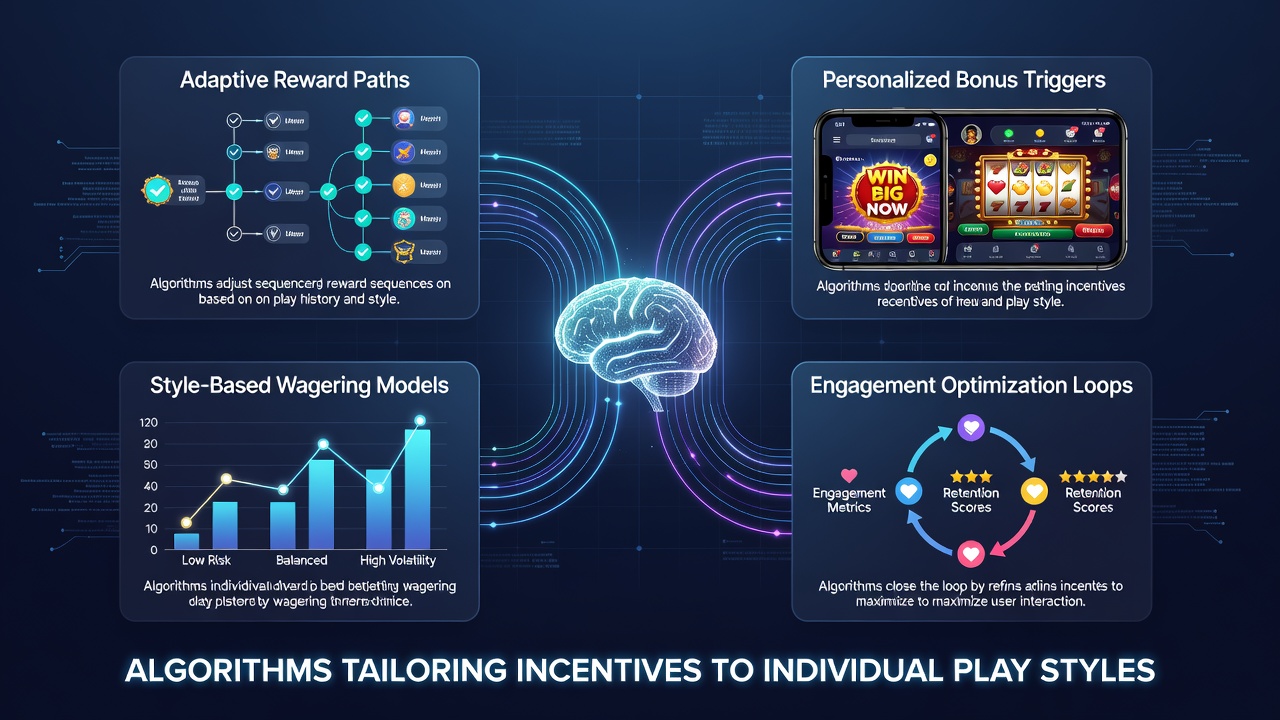
Algorithms now process large volumes of player data from mobile casino and betting applications to generate customized incentives that align with observed behaviors, and this approach has expanded significantly by June 2026 across multiple platforms. Data collection begins when users log in and continues through metrics such as bet frequency, preferred game categories, session duration, and response rates to previous offers, while machine learning models segment users into categories that trigger specific rewards like targeted free spins or deposit matches.
Data Inputs and Model Construction
Platforms gather information from in-app actions including wager amounts on slots versus table games, time spent during peak hours, and patterns in win-loss ratios, then feed these inputs into supervised and unsupervised learning systems that refine predictions over successive sessions. Researchers at institutions tracking digital gambling note that these models achieve higher precision when they incorporate device-specific variables such as screen size and connection stability, which correlate with engagement levels on smartphones and tablets.
One study from the University of Nevada's gaming research division examined how reinforcement learning adjusts incentive timing, and the findings showed that offers delivered after a player completes a set number of spins or bets produced measurable increases in return visits across sampled applications. American Gaming Association reports document similar trends in North American markets where operators integrate these systems to maintain user activity without uniform bonus structures.
Implementation Across Mobile Ecosystems
Operators deploy these algorithms through backend servers that update user profiles in real time, enabling immediate delivery of personalized promotions such as cashback percentages scaled to a user's average loss threshold or loyalty points multipliers tied to specific game selections. In June 2026 several major platforms introduced updates that combined play-style data with location signals to offer region-specific rewards, while maintaining compliance layers that limit exposure for users flagged under responsible gaming protocols.
Examples include systems that detect high-frequency low-stake players and route them toward volume-based incentives like extended play credits, whereas infrequent high-stake users receive invitations to limited-time events or accelerated withdrawal processing. Observers note that the same frameworks apply in sports betting modules where algorithms analyze bet types, such as live in-game wagers versus pre-match selections, to tailor odds boosts or parlay insurance offers accordingly.
Regulatory Context and Technical Safeguards
Regulatory bodies in regions including Nevada, New Jersey, and Australian states have issued guidelines requiring transparency in how algorithmic incentives are calculated, and operators must provide users with options to review or opt out of data-driven personalization. Data from the Australian Communications and Media Authority indicates that disclosures about algorithmic targeting increased user trust metrics in monitored trials conducted during early 2026. Platforms therefore embed audit trails that log every incentive generation event, allowing external reviewers to verify that offers remain within approved parameters and do not exploit vulnerable play patterns.
Technical safeguards include encryption of behavioral datasets and regular model retraining to account for seasonal shifts in user activity, while cross-platform operators standardize data formats to ensure consistent segmentation across casino and sportsbook verticals. Those who have examined these implementations report that integration with existing payment and verification flows adds minimal latency when edge computing resources handle initial processing on user devices.
Retention Metrics and Platform Comparisons
Retention data compiled by industry analysts shows that platforms employing individualized incentive algorithms record session frequency increases of 15 to 25 percent compared with control groups using static promotions, although exact figures vary by market and game mix. Comparisons between iOS and Android deployments reveal minor differences in model performance attributable to operating system update cycles, yet overall efficacy remains comparable when sample sizes exceed several thousand active accounts.
European operators following Malta Gaming Authority frameworks have published aggregate statistics demonstrating that tailored loyalty tiers based on play-style clusters correlate with extended account lifespans, and similar patterns appear in Canadian provincial systems where data-sharing agreements permit cross-operator benchmarking. These outcomes emerge because algorithms continuously test small variations in offer parameters and retain only those combinations that produce sustained engagement.
Conclusion
Algorithm-driven personalization of incentives continues to evolve within mobile casino and betting environments as operators refine data pipelines and regulatory expectations clarify disclosure standards, and the June 2026 landscape reflects broader adoption of these methods across established and emerging markets. The resulting systems match rewards to documented player behaviors while operating under documented compliance structures that prioritize measurable outcomes over uniform distribution.